Bubbleberry: The Whimsical Display Font Bringing Joy to Modern Design
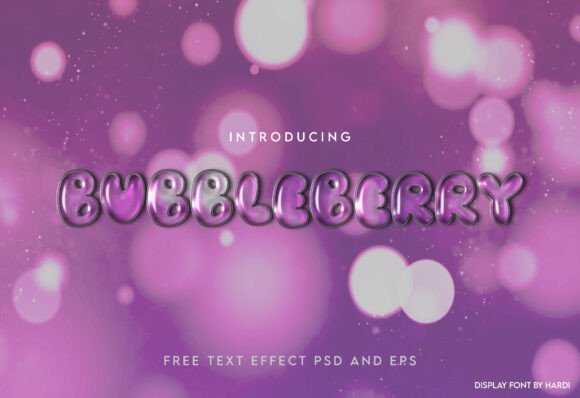
In an era where digital interfaces often feel sterile and uniform, the demand for personality in visual communication has never been higher. Designers and content creators are increasingly seeking tools that can inject warmth, nostalgia, and immediate emotional resonance into their work. Enter Bubbleberry, a playful and fun display font that captures the essence of shiny soap bubbles and juicy berries. With its soft, rounded letters and glossy highlights, this typeface creates a distinct 3D balloon-like effect that literally pops off the page. It is more than just a collection of characters; it is a design solution for projects requiring a cheerful, colorful, and energetic touch.
The rise of fonts like Bubbleberry reflects a broader shift in how audiences interact with brands and media. As attention spans shorten and screens multiply, static, flat text struggles to capture interest. There is a growing preference for tactile, three-dimensional aesthetics that mimic the physical world. This trend, often seen in the resurgence of "Y2K" styles and maximalist graphic design, prioritizes sensory experiences even within a two-dimensional space. Bubbleberry fits perfectly into this landscape by offering a texture that feels tangible and inviting, bridging the gap between digital convenience and analog charm.
The Evolution of Playful Typography in Professional Spaces
Historically, playful typography was relegated to specific niches, primarily children's literature or casual party materials. However, the modern creative landscape has evolved significantly. Today, businesses across various sectors—from tech startups to lifestyle bloggers—are embracing whimsy as a strategic asset. The rigid corporate aesthetic of the early 2000s has given way to a more human-centric approach, where brands strive to appear approachable, authentic, and fun.
This evolution is driven by changing user expectations. Audiences, particularly younger demographics but also professionals seeking relief from burnout, respond positively to designs that evoke joy and energy. A font like Bubbleberry is no longer seen as "unprofessional"; rather, it is viewed as a tool for differentiation. In a crowded marketplace, standing out requires taking risks with style. By incorporating elements that look like shiny soap bubbles, designers can create a sense of lightness and optimism that resonates with consumers looking for positive engagement.
Furthermore, the versatility of such fonts has expanded. While once limited to headlines, these expressive typefaces are now used in logo design, social media graphics, and even UI elements for apps targeting family-oriented markets. The ability to convey a brand's personality instantly through typography is a powerful advantage, allowing creators to communicate values like creativity, care, and playfulness without using a single word of copy.
Practical Applications Across Industries
The utility of Bubbleberry extends far beyond simple decoration. Its unique characteristics make it an ideal choice for a variety of practical applications where engagement is key. Understanding where and how to deploy this font can maximize its impact on any project.
Children’s Books and Educational Materials
For authors and illustrators working on children's books, typography plays a crucial role in readability and engagement. Children are naturally drawn to bold, colorful, and textured visuals. The soft, rounded letters of Bubbleberry mimic the shapes found in nature and toys, making text less intimidating and more inviting for young readers. When paired with vibrant illustrations, the glossy highlights of the font add a layer of depth that keeps eyes moving across the page. It transforms reading from a passive activity into an interactive visual experience.
Event Invitations and Party Branding
Party invitations and event branding rely heavily on setting the mood before the guest even arrives. Whether it is a birthday bash, a baby shower, or a community festival, the invitation needs to promise fun. Bubbleberry excels here because its 3D balloon-like effect immediately signals celebration. It suggests movement, airiness, and excitement. Unlike standard serif or sans-serif fonts that might feel too formal, this display font sets a tone of anticipation and joy, ensuring the recipient understands the nature of the event at a glance.
Candy Packaging and Food Branding
In the food industry, particularly with confectionery, packaging must be mouth-watering and appealing. The description of Bubbleberry being inspired by juicy berries makes it a natural fit for candy bars, gummy sweets, and soda labels. The glossy finish of the letters mimics the sheen of sugar coating or fruit glaze, triggering sensory associations in the consumer's mind. For small business owners launching a new sweet treat line, using a font that visually communicates flavor and texture can be a decisive factor in shelf appeal.
YouTube Channel Branding and Social Media
Content creators on platforms like YouTube and Instagram face immense competition for viewer attention. Thumbnails and channel banners need to be striking enough to stop the scroll. Bubbleberry offers a high-contrast, eye-catching option for titles and overlays. Its playful nature aligns well with gaming channels, vlogs, DIY tutorials, and family content. The 3D effect ensures that text remains legible even against complex backgrounds, while the cheerful color palette potential encourages clicks. For freelancers managing multiple creator accounts, having a consistent, recognizable typographic voice helps build brand identity.
Integrating Bubbleberry into Modern Workflows
Adopting a specialized display font like Bubbleberry requires consideration of how it fits into existing design workflows. Fortunately, the package includes resources that streamline the process for both novice and professional designers. The inclusion of free text effect PSD (Photoshop Document) and EPS (Encapsulated PostScript) files is a significant value-add.
These file formats allow for deep customization. Designers are not stuck with a static image; they can manipulate the lighting, shadows, and colors to match their specific brand guidelines. The PSD files enable non-destructive editing in Adobe Photoshop, meaning users can adjust the glossiness or the background behind the text without losing quality. Similarly, the EPS files ensure that the font effects scale perfectly for large-format printing, such as billboards or packaging boxes, without pixelation.
This flexibility supports the modern trend of rapid prototyping and iteration. Marketers and creatives can quickly test different variations of a headline to see which resonates best with their audience. Instead of spending hours recreating a 3D effect from scratch, the pre-built assets in the Bubbleberry package save valuable time, allowing teams to focus on strategy and content creation. This efficiency is crucial in fast-paced environments where deadlines are tight and the need for fresh, engaging visuals is constant.
Why Whimsy Matters in a Digital World
As we move further into a digitized existence, the human desire for connection and play becomes more pronounced. Technology often streamlines our lives, but it can also strip away the serendipity and charm of the physical world. Fonts like Bubbleberry serve as a counterbalance, reintroducing elements of surprise and delight. They remind us that design does not always have to be minimalistic or utilitarian; it can be an expression of emotion.
For entrepreneurs and business owners, leveraging this whimsical style is about building relationships. A brand that smiles back at its customers through its typography is perceived as more friendly and trustworthy. It lowers barriers to entry and invites interaction. Whether you are designing a logo for a startup, creating a banner for a blog, or wrapping a gift, the energy brought by Bubbleberry can transform a mundane task into a memorable experience.
Ultimately, the relevance of Bubbleberry lies in its ability to adapt to the shifting tides of design trends while maintaining a core sense of fun. It acknowledges that people want to feel good when they consume content. By choosing a font that brings joy, energy, and a sense of playfulness, creators are not just making things look pretty; they are enhancing the user experience and fostering a deeper emotional connection with their audience. In a world full of noise, a little bit of bubblegum brightness goes a long way.